
This content is provided for learning, reflection, and recitation, especially for those who prefer understanding duas in their own language.
What Is Dua-e-Jameela?
Dua-e-Jameela is a long supplication that includes:
Praise of Allah
Seeking forgiveness
Expressions of humility and dependence
Requests for mercy, protection, and guidance
Many people recite it as part of their personal ibadah, especially during quiet moments such as after prayers or at night.
Dua-e-Jameela in Urdu and Arabic Translation
We provide Dua-e-Jameela in:
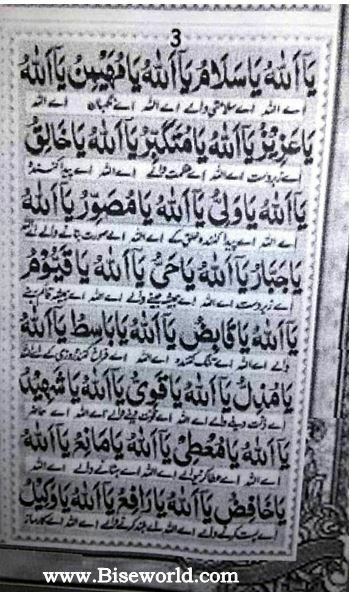
Arabic text for correct recitation
Urdu translation for understanding the meaning
English explanation to help non-Urdu readers
Understanding the meaning of a dua helps develop sincerity (ikhlas) and focus (khushu) during recitation.
When Do People Commonly Recite Dua-e-Jameela?
There is no fixed or compulsory time for Dua-e-Jameela. People commonly recite it:
After Fajr or Isha prayer
During Tahajjud
In Ramadan
During personal duas and repentance
Islam encourages supplication at all times. The intention and sincerity matter more than timing.
Important Note on Virtues and Rewards
Some sources mention very large reward numbers linked to specific prayers or times.
It is important to clarify:
Such claims are not found in authentic, widely accepted Hadith sources
Islam teaches that Allah rewards based on sincerity, faith, and intention
Excessive numerical reward claims should be approached with caution
Reciting Dua-e-Jameela is beneficial as a form of dua and remembrance, not because of guaranteed numerical rewards.
Benefits of Reciting Dua-e-Jameela
Muslims often recite this dua for:
Spiritual calm and reflection
Seeking Allah’s forgiveness
Strengthening faith and humility
Personal connection with Allah
Any benefit comes by Allah’s will, not by the dua itself as a formula.
Read or Download Dua-e-Jameela
You can:
Read Dua-e-Jameela online
Download the Urdu & Arabic PDF
Save the image version for mobile reading
These formats are helpful for daily remembrance and learning.
Final Thought
Duas are not contracts or guarantees.
They are conversations with Allah.
Recite Dua-e-Jameela with understanding, humility, and trust. That is where its real value lies.





Zeshan Akram is a senior social and educational content analyst with a Master’s degree in Sociology. He specializes in Islamic topics, public schemes, and prices, explaining policies with cultural context and verified public information.