
What are the Fazail e Ramzan and why does this month matter so much?
Ramzan ul Mubarak is not just a month of fasting. It is a complete spiritual season in Islam where mercy, forgiveness, and self-discipline come together. The Fazail e Ramzan refer to the virtues, blessings, and special rewards that Allah grants during this sacred month, as explained in authentic Hadith and Islamic teachings.
From the very first night of Ramadan, the spiritual atmosphere changes. Acts of worship carry greater reward, sins are forgiven more readily, and believers are encouraged to reset their relationship with Allah and with people around them. This understanding is not based on cultural tradition alone. It comes directly from the words of the Prophet Muhammad ﷺ and long-established Islamic scholarship.
What does Hadith say about the beginning of Ramadan?
One of the most well-known Hadith about Ramadan explains its spiritual opening:
When Ramadan begins, the doors of Paradise are opened, the doors of Hell are closed, and the devils are chained.
This narration sets the tone of the month. It tells Muslims that Ramadan is designed as an opportunity, not a burden. The environment itself supports repentance, self-control, and sincere worship.
The chaining of devils does not mean temptation disappears completely. It means the usual barriers between a believer and goodness are reduced. The responsibility then shifts to the individual to take advantage of this opening.
Fazail e Ramzan explained in simple words
The virtues of Ramadan can be understood across three major dimensions: mercy, forgiveness, and freedom from punishment.
In the early days of Ramadan, Allah’s mercy becomes dominant. Even small good deeds carry weight. Feeding someone, controlling anger, or offering sincere prayer holds greater value than in ordinary months.
The middle part of Ramadan emphasizes forgiveness. This is the phase where believers are encouraged to seek pardon for past mistakes, repair broken relationships, and cleanse their intentions.
The final days focus on salvation. According to Islamic tradition, Allah frees countless people from Hellfire during this month, especially in its closing nights.
This structure gives Ramadan emotional depth. It is not just about hunger and thirst. It is about gradual inner change.
Fazail e Ramzan in Urdu
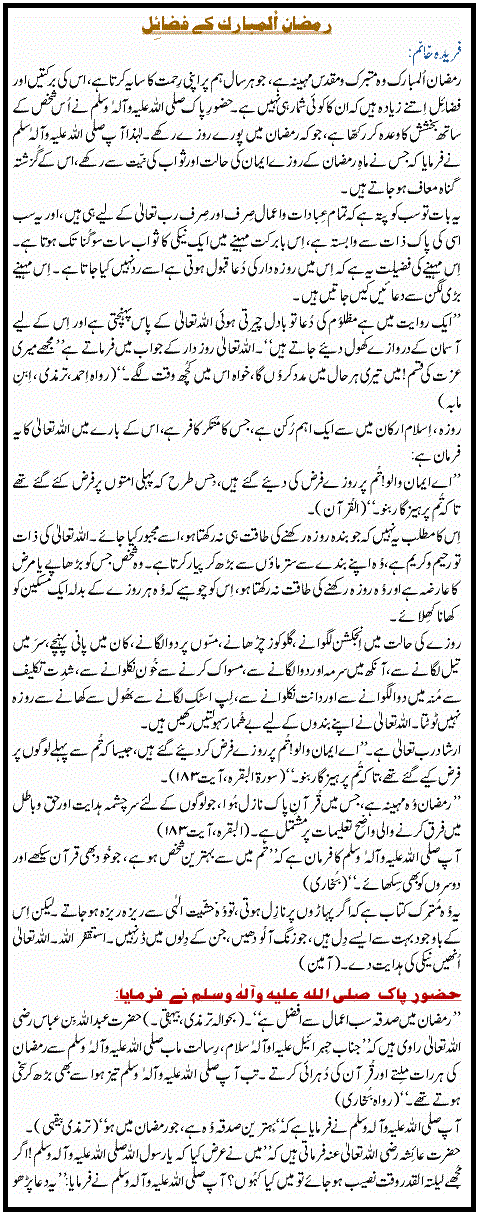
رمضان المبارک وہ بابرکت مہینہ ہے جو ہر سال اللہ تعالیٰ کی خاص رحمتیں لے کر آتا ہے۔
یہی وہ مہینہ ہے جس میں قرآن مجید نازل ہوا، اور جس میں نیکی کا اجر کئی گنا بڑھا دیا جاتا ہے۔
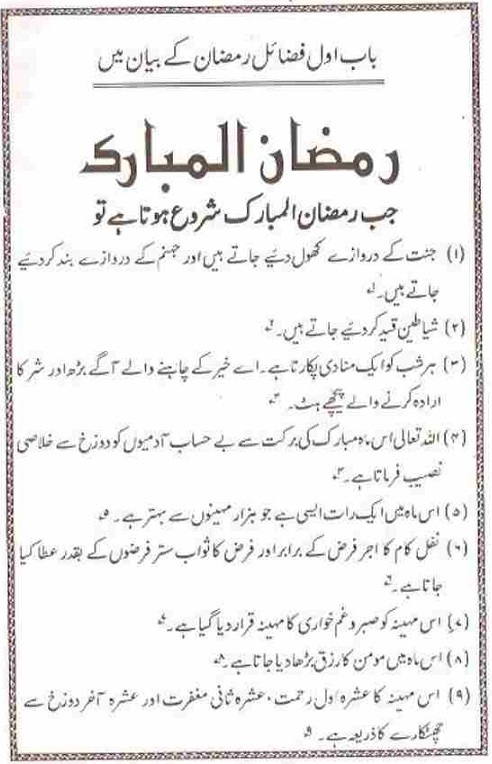
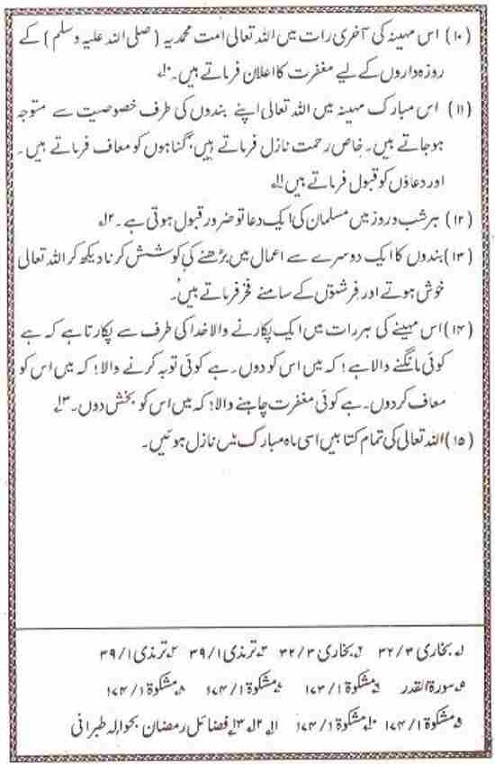
جب رمضان کا آغاز ہوتا ہے تو جنت کے دروازے کھول دیے جاتے ہیں، جہنم کے دروازے بند کر دیے جاتے ہیں، اور شیاطین قید کر دیے جاتے ہیں۔
اللہ تعالیٰ اس مہینے میں بے شمار لوگوں کو دوزخ سے نجات عطا فرماتا ہے، بشرطیکہ وہ سچے دل سے توبہ کریں اور عبادت کریں۔
Fazail e Ramzan in Hindi
रमज़ान इस्लाम का सबसे पवित्र महीना है, जिसमें अल्लाह की रहमत, माफ़ी और बरकतें खास तौर पर नाज़िल होती हैं।
इस महीने में जन्नत के दरवाज़े खोल दिए जाते हैं, जहन्नम के दरवाज़े बंद कर दिए जाते हैं, और शैतानों को क़ैद कर दिया जाता है।
जो लोग ईमान और सब्र के साथ रोज़े रखते हैं, उनके पिछले गुनाह माफ़ कर दिए जाते हैं।
Why is Laylat al-Qadr central to the Fazail of Ramadan?
Among all the blessings of Ramadan, Laylat al-Qadr stands apart. The Quran describes this night as better than a thousand months. This does not mean symbolic greatness. It means real spiritual value beyond calculation.
Worship performed on this night carries reward equivalent to decades of devotion. The Prophet ﷺ encouraged believers to seek this night in the last ten nights of Ramadan, particularly on the odd nights.
What matters most here is intention. Laylat al-Qadr is not about finding a specific date. It is about consistency, humility, and sincere effort.
How fasting connects to the deeper Fazail of Ramadan
Fasting in Ramadan is not about physical hardship. Its purpose is moral clarity. When a person controls basic desires like hunger and speech, they become more aware of their behavior.
The Prophet Muhammad ﷺ warned that fasting without character change loses its meaning. Avoiding lies, anger, and harm to others is as essential as avoiding food and drink.
This is why the Fazail of Ramadan are tied to conduct. The reward is not automatic. It follows awareness and self-restraint.
Are all rewards in Ramadan guaranteed?
This is an important clarification. Islamic teachings emphasize opportunity, not entitlement. Ramadan opens doors, but walking through them depends on personal effort.
Someone who fasts but continues injustice, dishonesty, or arrogance does not benefit fully from the month. This balance protects the spiritual integrity of Ramadan and prevents ritualism without meaning.
Understanding this keeps expectations realistic and faith grounded.
Fazail e Ramzan and the Quran
Ramadan holds special status because the Quran was revealed in this month. This connection explains why recitation, reflection, and understanding of the Quran are central to Ramadan practice.
Even a small portion read with understanding carries value. The focus is not speed or quantity, but presence of heart.
For many Muslims, Ramadan becomes the only time in the year when they reconnect seriously with the Quran. That alone shows its transformative power.
A quiet reminder for readers
Ramadan does not demand perfection. It invites honesty. Missed opportunities can be recovered. Sincere repentance is never rejected.
The Fazail e Ramzan are not meant to pressure believers. They are meant to reassure them that change is possible, forgiveness is near, and effort matters.
What should you take from this?
Ramadan is a gift, not a test to fear. Its virtues are well-documented, its rewards are real, and its doors remain open to everyone who approaches with sincerity.
The question is simple: how will you use this month?

Zeshan Akram is a senior social and educational content analyst with a Master’s degree in Sociology. He specializes in Islamic topics, public schemes, and prices, explaining policies with cultural context and verified public information.